
How We Travel the World with a Child Who Has Type 1 Diabetes… And Love It!
Because T1D doesn’t get to decide where your family goes, you do!
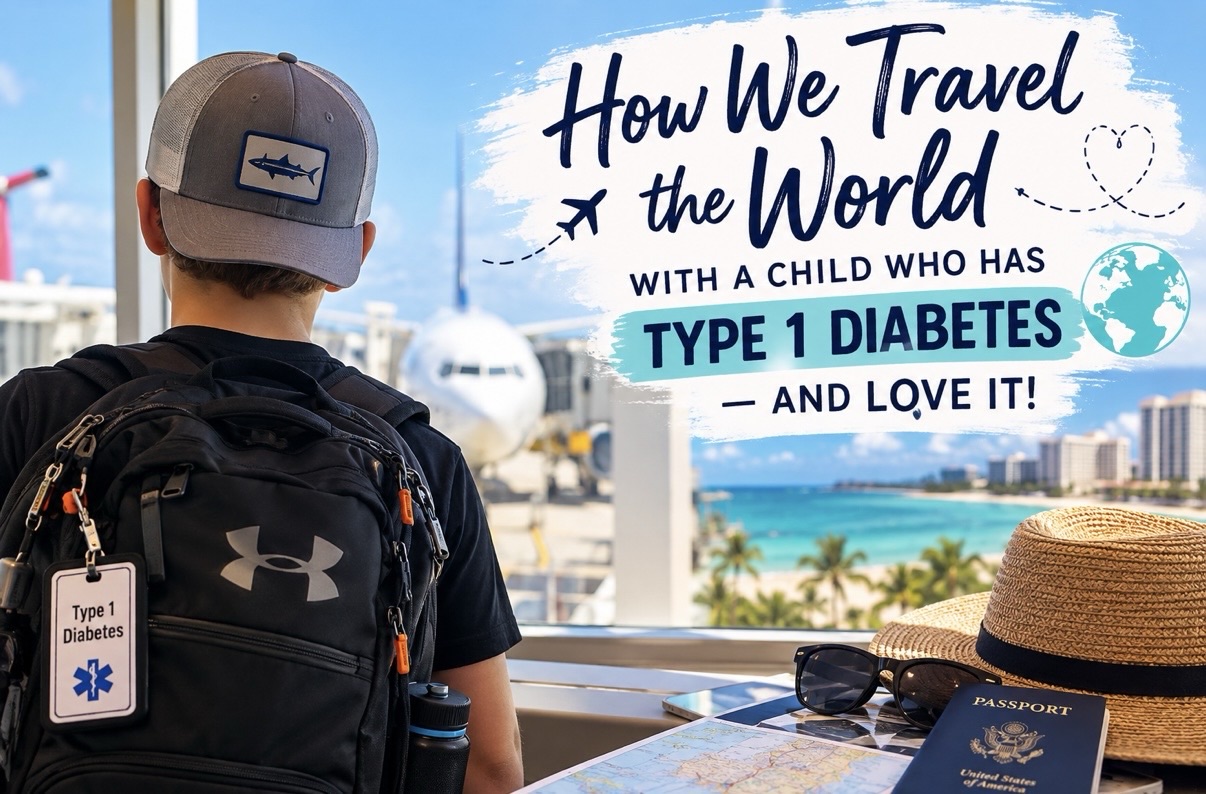
When my son was diagnosed with type 1 diabetes, we assumed travel was off the table. Flights? Cruises? Foreign food? It all sounded terrifying. And I admit, I went through a long period of depression. My love of travel was over as far as I could see it at that point all I could think about was how to take care of my child, and navigate this terrifying new world we were thrust into
… But once we learned how to prepare—and what really mattered—we realized we didn’t have to stop exploring. Not only to be continue exploring, but we explore new horizons countries, and continents that we never thought that we would in a way type one diabetes was the adversity that we needed to give us the push to expand our travel, there’s nothing like a little bit of a challenge to get me going!
With all that being said, I would love to be able to share with you some of the tips and tricks we have learned about traveling the world with type one diabetes and more specifically how we travel the world with a child would type one diabetes.
Here’s how we travel confidently, safely, and joyfully with a child who has type 1 diabetes—plus tips you can use right away.
1. Start with a Packing System That Covers Every Scenario
You can’t just hope you’ve packed enough. You need a clear system:
- Insulin (pens + pump backup + extra supplies)
- Continuous Glucose Monitor (CGM) + sensors
- Test strips, meter, glucagon, ketone strips
- Fast-acting sugar (glucose tabs, juice boxes, gummies)
- Cool packs (Frio or MedAngel for temp-safe storage)
- Travel letter from your endocrinologist
🎒 Pro Tip: Make two kits—one carry-on, one in checked luggage (in case of lost bags or flight delays).
If your flight is cancelled or delayed. This may help…
Even better pack one medical bag with supplies as a carry-on you can usually get an extra carry-on on almost all airlines in a labeled medical bag that you don’t have to pay for.
2. Get TSA-Ready: Airport Tips That Save Stress
Security screenings with T1D gear can be intense if you’re unprepared. Here’s what works:
- Tell TSA you have medical devices and supplies
- Request manual pat-down for pump/CGM (don’t put them through scanners)
- Bring a doctor’s note and TSA Cares notification card
- Label everything and pack it visibly
💬 Tip: Teach your child a simple script (“I have diabetes and wear a medical device”) so they feel confident and calm. I actually wrote a script specifically for this keep reading and I’ll give it out as a freebie at the end.
3. Research Ahead for Medical Access
Always know your medical plan before takeoff:
- Check international emergency numbers
- Locate nearby hospitals or clinics
- Translate key phrases (“insulin,” “low blood sugar,” “emergency help”) if traveling abroad
- Look up insulin availability in destination countries
- Bring EXTRA EXTRA EXTRA Supplies!
🧭 Download apps like MySugr, Glucose Buddy, or Dexcom G6 for tracking and sharing data.
4. Be Flexible With Food, but Always Prepared
Kids will want to try new foods and that’s okay! Just plan around it:
- Bring carb-counting cheat sheets
- Use apps like Carb Manager or CalorieKing
- Let the child be involved: ask them to guess carbs before checking
- Pack safe snacks for every excursion (every. single. one.)
🍦 Bonus: We let our child try treats abroad! Don’t restrict life and culture! We just
prep-bolus
and monitor like pros.
5. Adjust for Time Zones, Activity & Heat
Travel throws routines out the window, but your diabetes strategy can adapt:
- Time zone shift? Adjust basal insulin in small increments
- More activity = more lows → carry extra sugar
- Hot climates = insulin degrades faster → use cooling sleeves
☀️ Cruises, hikes, beach days—all doable with planning and glucose checks.
6. Involve Your Child in the Planning
Kids with diabetes need to feel empowered, not limited.
Let them:
- Pack their own gear (with help)
- Help choose snacks and backup plans
- Set reminders for checks or site changes
🛫 They’ll feel more in control and less anxious on the go.
Wrap-Up: Your Child Can Go Anywhere
Traveling with T1D isn’t just possible—it’s powerful. You’re not just managing blood sugars—you’re showing your child they can live fully and fearlessly. You’re building trust, independence, and lifelong memories—one airport at a time.
📄 Download My FREE T1D Travel Packing Checklist
If you’re about to fly, don’t do it without this:
👉 [Download the FREE T1D Packing Checklist Here]
It includes:
- ✔️ Medical packing list
- ✔️ Cold storage tools you need
- ✔️ Emergency documents to pack
- ✔️ Low snacks, backups, and TSA tips
Traveling with T1D is not about perfection. It’s about preparedness.
💬 Final Thoughts
You’re doing something brave. You’re not just managing T1D — you’re giving your child the world.
If this helped you, you’ll love my full guide:
👉 [The T1D Travel Blueprint: A Guide for Confident Travel With Your T1D Child]

🔗 Related Posts You Might Like:
Flying with Type 1 Diabetes: Two Unexpected TSA Lessons We Learned on Our Trip to Cancun
The Ultimate Family Travel Booking Checklist: Everything to Reserve Before You Leave Home
Family-Friendly Things to Do in Progreso, Mexico (Cruise Port Edition)
25 Smart Family Travel Tips for Stress-Free Adventures
🛫 Family Travel Survival Guide: Hilarious Hacks, Cruise Know-How, and Managing T1D on the Go
How can we travel confidently with a child who has type 1 diabetes?
Preparation and a clear system set the tone. Start with a packing routine that covers every scenario.
Include TSA-ready airport strategies and medical access planning. Add flexible food expectations with preparedness, and strategies to adjust for time zones, activity, and heat.
Moreover, Traveling with type 1 diabetes becomes easier with a simple, proactive approach.
Finally, this approach turns travel from a worry into an empowered family adventure.
How can we involve our child in planning and still stay safe?
Let your child pack their own gear with help. Help them choose snacks and backup plans, and set reminders for checks.
As a result, involving them builds confidence and reduces anxiety, making travel feel empowering rather than restricting.
What should we do to prepare medically before taking off and during the trip?
Additionally, Traveling with type 1 diabetes means knowing your medical plan before takeoff.
Check international emergency numbers, locate nearby hospitals, and translate key phrases like insulin and low blood sugar.
Look up insulin availability in destination countries, and carry extra supplies.
Also consider apps for tracking glucose data and sharing it with caregivers.
How do we handle airport security and TSA when traveling with diabetes gear?
Tell TSA you have medical devices and supplies.
Additionally, request a manual pat-down for pump or CGM, and bring a doctor’s note and TSA Cares notification card.
Finally, label everything clearly so it’s easy to inspect and stay visible during the screening.
What packing system should we use to ensure we’re covered for all diabetes needs?
Create two complete kits: one in carry-on and one in checked luggage, plus a medical bag carried on.
Additionally, include insulin with backup supplies, CGM sensors, test strips, meters, and glucagon.
Ketone strips, fast-acting sugar, cooling packs or temp-safe storage, and a travel letter from the endocrinologist.
How can we travel confidently with a child who has type 1 diabetes?
The key is preparation and a clear system.
Start with a packing routine that covers every scenario. Additionally, for Traveling with type 1 diabetes, include TSA-ready airport strategies and medical access planning. Include flexible food expectations and preparedness for time zones, activity, and heat. This approach turns travel from a worry into an empowered family adventure.
What packing system should we use to ensure we’re covered for all diabetes needs?
Create two complete kits: one in carry-on and one in checked luggage, plus a medical bag carried on.
Additionally, include insulin with backup supplies, CGM sensors, test strips, meters, glucagon, ketone strips, fast-acting sugar, cooling packs or temp-safe storage, and a travel letter from the endocrinologist.
How do we handle airport security and TSA when traveling with diabetes gear?
Additionally, tell TSA you have medical devices and supplies.
Then request a manual pat-down for pump or CGM.
Bring a doctor’s note and TSA Cares notification card, and label everything clearly.
So it’s easy to inspect and stay visible during the screening.
What should we do to prepare medically before taking off and during the trip?
Know your medical plan before takeoff. Check international emergency numbers, locate nearby hospitals, and translate phrases like insulin and low blood sugar. Look up insulin availability in destination countries, and carry extra supplies. Additionally, consider apps for tracking glucose and sharing data with caregivers.
How can we involve our child in planning and still stay safe?
Let your child pack their own gear with help. Additionally, help them choose snacks and backup plans, and set reminders for checks. Involving them builds confidence and reduces anxiety, making travel feel empowering rather than restricting.
Discover more from SheMamaMaps
Subscribe to get the latest posts sent to your email.